Driving Austin with Shore Habits
Plenty of people raised on the peninsula end up in Central Texas. The roads there are bigger, faster and hotter, and a few back-road habits still earn their keep.
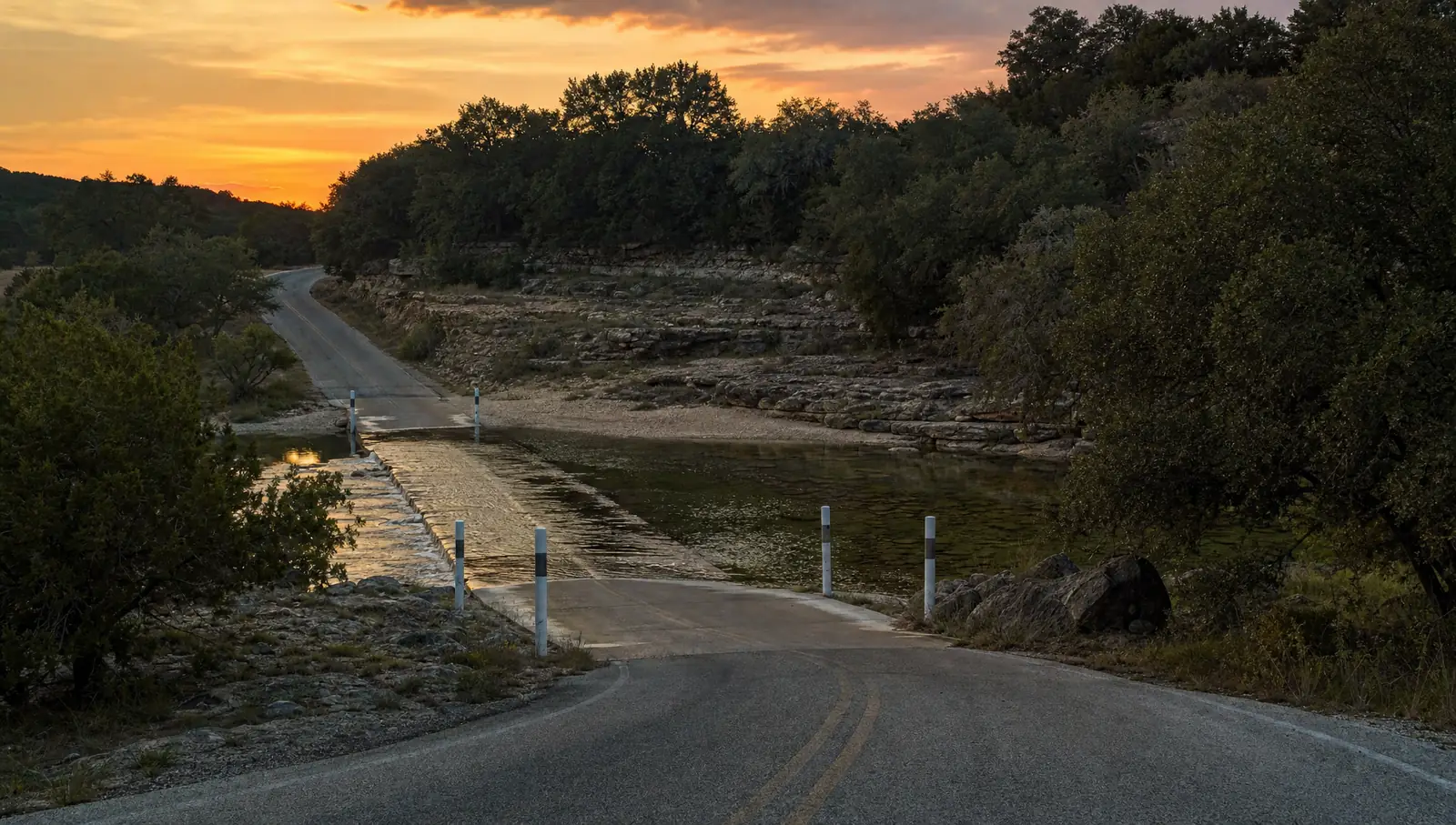
Ask around at any fire hall supper on the lower Shore and someone will mention a son, a niece or an old classmate in Austin. The Texas capital has been drawing young people out of small places for twenty years, and the peninsula has sent its share. They come home at Thanksgiving with Texas plates on the car and stories about the traffic.
The stories hold up. Interstate 35 runs straight through the middle of Austin, and it is jammed at hours when Route 13 through Salisbury is close to empty. A driver who learned on two-lane farm roads arrives in a city where the road layout makes most of the decisions.
Bigger roads, faster merges
The first surprise is the frontage road. Most Texas highways have a one-way service road running alongside each direction, and the ramps between the two cross each other in short stretches. Cars leaving the main lanes and cars joining them share the same few hundred feet. Picking a lane early and holding it does more good there than any burst of speed.
The second is the toll roads. MoPac has express lanes whose price changes through the day, and State Highway 130 east of the city carries an 85 mile an hour limit on one stretch, the highest posted limit in the country. Most tolls are billed by tag or by a photo of the plate, so there is no booth to slow anyone down. After years of the Bay Bridge plaza, the pace takes some getting used to.
Habits that travel
A good deal of what the back roads teach still applies. West of town, RM 620, FM 1431 and Ranch Road 12 down toward Wimberley climb and turn through cedar and limestone, and Texas has more white-tailed deer than any other state. The dusk rule from home works the same way there. Slow down after sunset, watch the edges of the headlights, and if a deer steps out, brake in a straight line and keep the car in its lane.
Patience behind slow traffic carries over too. Central Texas has gravel trucks, cattle trailers and long construction zones, and the arithmetic of closing speed on a fast road is the same one that applies behind a tractor on Route 13.
What the Shore never taught
Moving water is the big one. The hills around Austin are known as Flash Flood Alley, and a creek that is dry in the morning can cover a road after an hour of hard rain miles upstream. Low-water crossings are common on the roads west and south of the city. According to the National Weather Service, a foot of moving water can carry away most cars, and its warning for flooded roads began in Texas: turn around, don't drown.
Heat is the other. A car left in an open lot in August becomes dangerous inside within minutes, and a breakdown on the shoulder of I-35 on a summer afternoon is hard on anyone waiting beside it. A gallon of water in the trunk and a charged phone are worth the space they take.
If a crash happens there
Fender benders on I-35 and MoPac happen every day. If the cars still drive, move them onto the shoulder or the frontage road and turn on the hazard lights, then call 911. Photos of both cars, the other plate and the lane markings take about a minute. Under the Texas Transportation Code, drivers involved in a crash have to stop and give each other their names, addresses, insurance and vehicle registration. When police respond, the officer's crash report goes to the state transportation department, and anyone involved can buy a copy later. Note the exit number or the nearest cross street while it is fresh, since one stretch of frontage road looks much like the next a day later. Someone who was hurt, or who starts getting calls from the other driver's insurance company, can talk with an Austin car accident attorney before giving a recorded statement or signing a release.
Coming back
Most people who make the move still come home in summer. The first evening on a two-lane road with the windows down tends to bring back the old pace quickly, frogs in the ditches and nobody behind. The Texas habit of choosing a lane early is a useful one to bring along on Route 50 on a Friday in July.